
Protect Your Skin and the Reefs We Love
Protecting Yourself
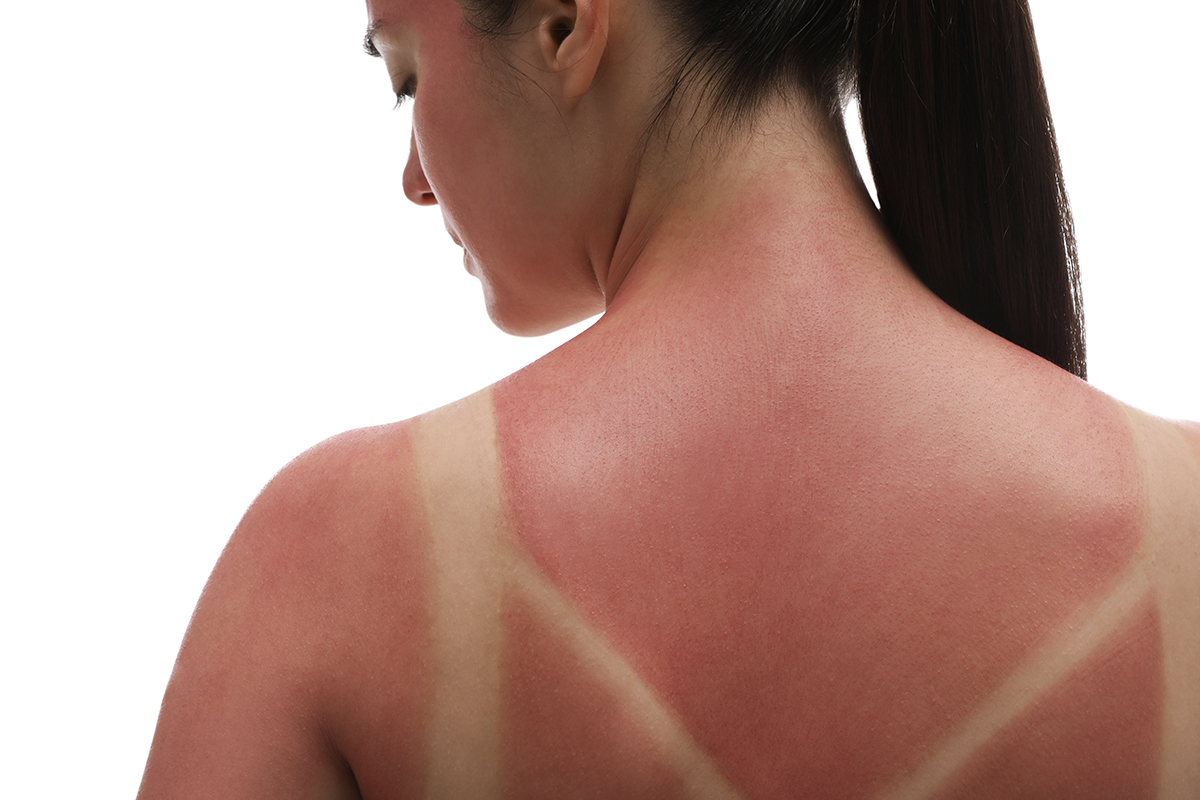
Do you know what the number one dive-related injury is?
You can probably guess from the image above, Yep, it’s sunburn!
Protecting your skin isn’t just about avoiding a painful burn; it’s a vital part of your long-term health as an outdoor enthusiast. Regular use of broad-spectrum sunscreen significantly reduces your risk of skin cancer and melanoma, while also preventing premature aging and permanent skin damage like “photoaging”.
For divers, healthy skin is also practical: sunburned skin dehydrates you faster—increasing the risk of decompression sickness—and makes the friction of a wetsuit nearly unbearable!
Protecting the Environment
While protecting your skin is a top priority, the choice of protection matters just as much as the application. As we scuba divers frequently visit fragile tropical ecosystems, we are the frontline stewards of the environment; this means we must ensure that our defense against the sun doesn’t become a threat to the ocean.
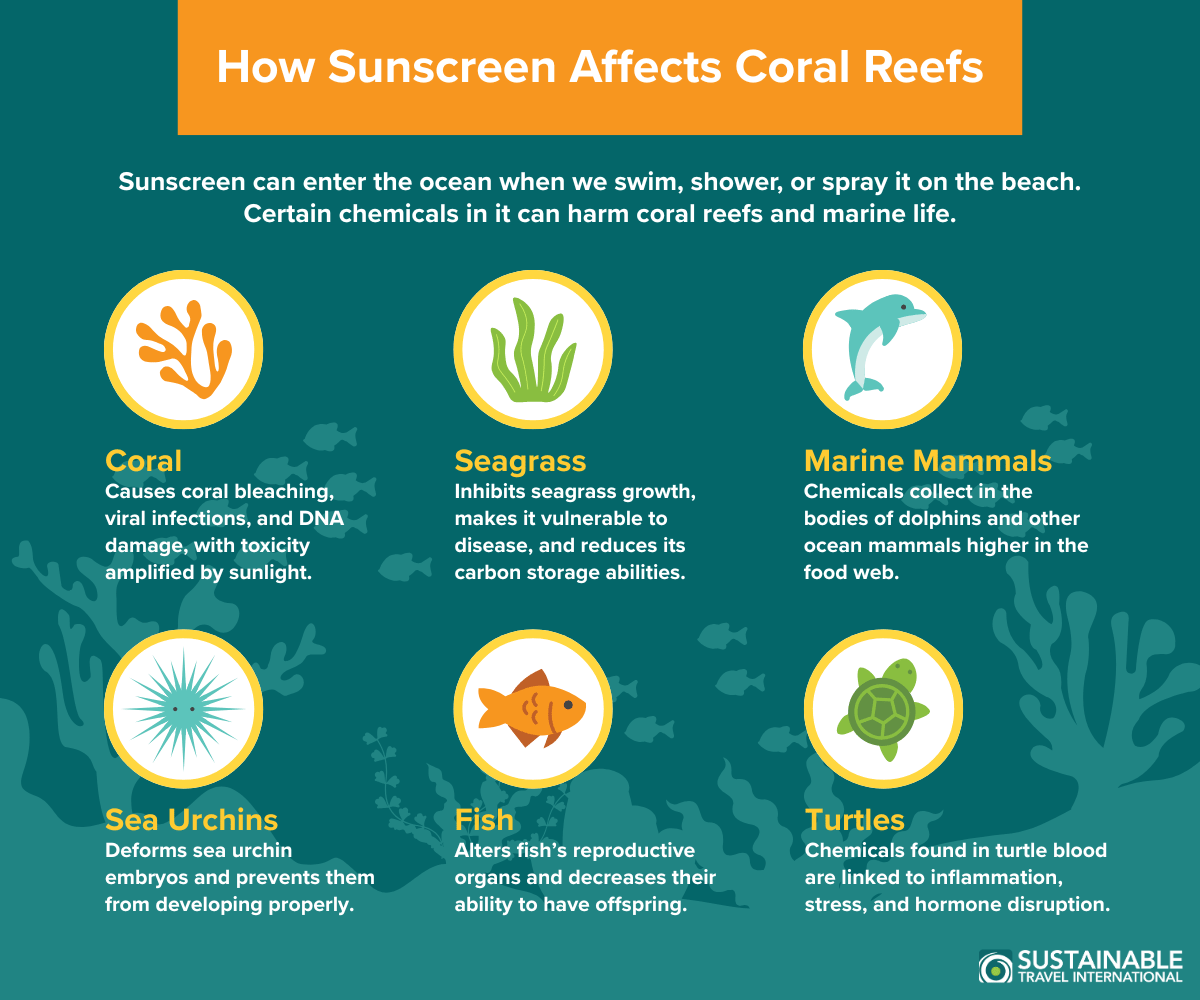
The sunscreens we typically use contain chemicals that can be devastating to marine life. When these ingredients wash off in the water, they contribute to coral bleaching, DNA damage, and reproductive issues in reef systems.
By switching to reef-safe sunscreen, you can guard your health while preserving the vibrant coral systems that make every dive possible, ensuring the underwater world remains vibrant for years to come.
And in many tropical destinations, choosing the right sunblock is no longer just a suggestion—it is often the law.
The Problem with Traditional Sunscreen
Most standard sunscreens rely on chemical filters to absorb UV rays. While effective for human skin, two specific ingredients are primary culprits in reef degradation:
- Oxybenzone
- Octinoxate
Even in tiny concentrations, these chemicals stress coral colonies. They make reefs more susceptible to bleaching—a process where coral loses its vital algae and turns white—and can even kill young coral before it has a chance to grow.
How to Identify Reef-Safe Products
The term “reef-safe” is not strictly regulated, so you must check the ingredient label yourself. Look for “Mineral” or “Physical” sunscreens.
- Active Ingredients: Look for Non-nano Zinc Oxide or Titanium Dioxide.
- The “Nano” Factor: Ensure the minerals are “non-nano,” meaning the particles are large enough that they won’t be ingested by coral.
- Avoid “Aerosols”: Sprays often land on the sand, which eventually washes into the ocean. Lotions are a cleaner choice.
Best Practices for Application
Using mineral sunscreen requires a slightly different approach than chemical versions:
- Apply Early: Put it on 15–20 minutes before hitting the water.
- A Little Goes a Long Way: Mineral creams are thicker; rub them in well to reduce the white cast.
- Cover Up: The best reef-safe “sunscreen” is clothing. Use UPF-rated rash guards, hats, and leggings to reduce the amount of lotion you need to apply
Our Recommendations
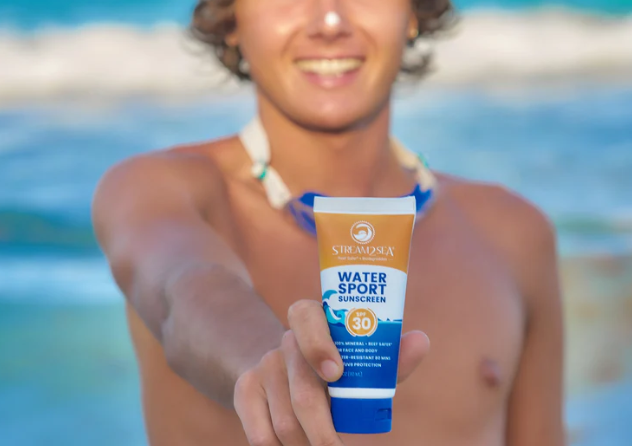
Ski/Scuba Center is proud to carry a full line of Stream2Sea products to help you dive responsibly.
Founded by a cosmetic chemist and fellow scuba diver, Stream2Sea offers the only mineral-based sunscreens on the planet scientifically proven and tested safe for freshwater fish, saltwater fish, and coral larvae. Their high-performance formulas are biodegradable in both salt and fresh water, ensuring that your skin stays protected without leaving a toxic trace in the reefs we love.
Don’t let a preventable burn ruin your time underwater. Stop by Ski/Scuba Center today to pick up your Stream2Sea essentials and chat with our team about how to stay protected.
Let’s work together to keep your skin healthy and our oceans thriving—one dive at a time.
